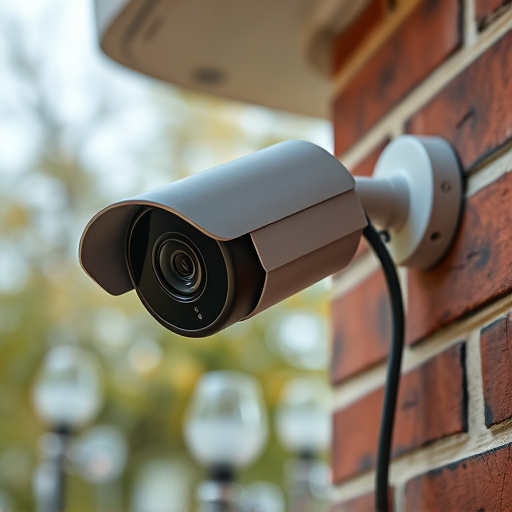
The strategic placement of dummy cameras acts as a powerful deterrent for criminals. Mounting them in visible, high-risk areas like entry points, windows, and well-lit paths significantly enhances security. Their alignment with real feeds or proximity to alarm systems increases their effectiveness. Optimizing camera placement based on lighting, lines of sight, and targeted protection ensures maximum security benefits. Dummy cameras have proven successful across various settings, from residential to industrial zones, reducing break-ins and shoplifting. Legal considerations and ethical implications must be explored while mounting these cameras in public and private spaces, balancing security needs with privacy rights. Effective deterrence is achieved by strategically placing cameras in visible locations, signaling surveillance presence, and adjusting positions regularly to counter unpredictable criminal activities.
“Explore the powerful yet often overlooked tool of dummy camera deterrents in this comprehensive study. We delve into their effectiveness, examining how strategic mounting locations can significantly impact security measures. From understanding the technology’s basics to real-world case studies and legal considerations, this article offers valuable insights. Learn where to mount dummy cameras—from entry points to visible areas—to create a robust deterrent system, enhancing overall safety without compromising ethics.”
- Understanding Dummy Camera Deterrents: A Comprehensive Overview
- The Role of Mounting Location in Camera Effectiveness
- Case Studies: Real-World Applications and Results
- Legal Considerations and Ethical Implications
- Best Practices for Implementing Dummy Camera Systems
Understanding Dummy Camera Deterrents: A Comprehensive Overview
Dummy camera deterrents have gained significant attention as a cost-effective and subtle way to enhance security. These devices, often resembling real cameras but without recording capabilities, are strategically placed to deter potential criminals. Understanding their effectiveness involves delving into where to mount them for optimal results.
Mounting dummy cameras in visible areas like entry points, windows, or well-lit paths sends a strong signal to intruders. Their presence can significantly reduce the likelihood of crime, as perpetrators tend to avoid locations with apparent surveillance. Additionally, choosing the right location is crucial; places where they align with real camera feeds, or are positioned near alarm systems, further increase their deterrent value.
The Role of Mounting Location in Camera Effectiveness
The placement of dummy cameras plays a pivotal role in their deterrent effectiveness. When considering where to mount dummy cameras, strategic positioning is key. High, prominent locations, such as on walls or ceilings, can maximize visibility and deter potential criminals by signaling the presence of surveillance. In contrast, mounting cameras near entry points, windows, or valuable assets can provide more targeted protection, effectively discouraging burglars from targeting these areas.
Additionally, the surrounding environment should be taken into account. Cameras placed in well-lit areas or those with good line-of-sight to potential crime spots tend to be more effective deterrents than those in shadowed or obstructed locations. Understanding these factors can help homeowners and businesses optimize their dummy camera setup for maximum security benefits.
Case Studies: Real-World Applications and Results
In various real-world applications, dummy camera deterrents have proven their effectiveness in securing properties and public spaces. Case studies across different sectors offer compelling insights into their success. For instance, mounting dummy cameras strategically in residential areas has significantly reduced break-ins, with neighbors reporting a sense of increased safety and surveillance. In commercial settings, such as retail stores, these decoys have deterred shoplifters, leading to a notable decline in theft incidents.
The placement of dummy cameras plays a pivotal role in their success. They are most effective when positioned in plain sight, often on exterior walls or near entrances. In industrial zones, mounting them atop buildings or in visible areas around factories can act as a powerful deterrent against unauthorized entry and potential security breaches. These case studies highlight the versatility and efficiency of dummy cameras as a cost-effective solution for enhancing security without the need for extensive investments in advanced surveillance systems.
Legal Considerations and Ethical Implications
When considering a dummy camera deterrent system, it’s crucial to explore legal considerations and ethical implications. The placement of these cameras, or where to mount dummy cameras, is a key factor. Public spaces and private properties have distinct regulations regarding surveillance technology. Local laws and privacy rights must be respected; mounting cameras in visible locations can serve as a deterrent while ensuring compliance.
Ethical implications extend beyond legal boundaries. Transparency about the presence of dummy cameras is essential for maintaining public trust. It’s important to consider the potential psychological impact on individuals, especially in sensitive areas. Balancing security needs with privacy concerns is paramount, making informed decisions about where to mount dummy cameras a critical step in evaluating their effectiveness as deterrents.
Best Practices for Implementing Dummy Camera Systems
When implementing dummy camera systems, best practices involve strategically selecting mounting locations for optimal deterrent effect. Where to mount dummy cameras is a key consideration; they should be placed in visible areas, such as entry points, high-risk zones, and along perimeters. This visibility sends a clear message to potential intruders, reinforcing the idea that surveillance is present, even if the cameras are not functional.
Consider environments with frequent foot traffic or where vulnerable assets are located. Dummy cameras can be mounted on walls, fences, ceilings, or even attached to existing structures like signs or lights. Varying their placements and orientations helps create an unpredictable deterrent network, making it harder for criminals to identify and bypass the systems. Regularly reviewing and adjusting camera positions ensures ongoing effectiveness in deterring criminal activity.
In this comprehensive study, we’ve explored the effectiveness of dummy camera deterrents in enhancing security. By examining various mounting locations, case studies, legal considerations, and best practices, we’ve uncovered valuable insights into their application. Opting for strategic placement, as suggested by our findings, can significantly deter potential criminals, making dummy cameras a cost-effective and ethical solution. When implemented correctly, these measures can foster safer communities, with the added benefit of being easily visible to deter illicit activities. Remember, where you mount dummy cameras matters; choose locations that maximize visibility to create a strong psychological deterrent.